
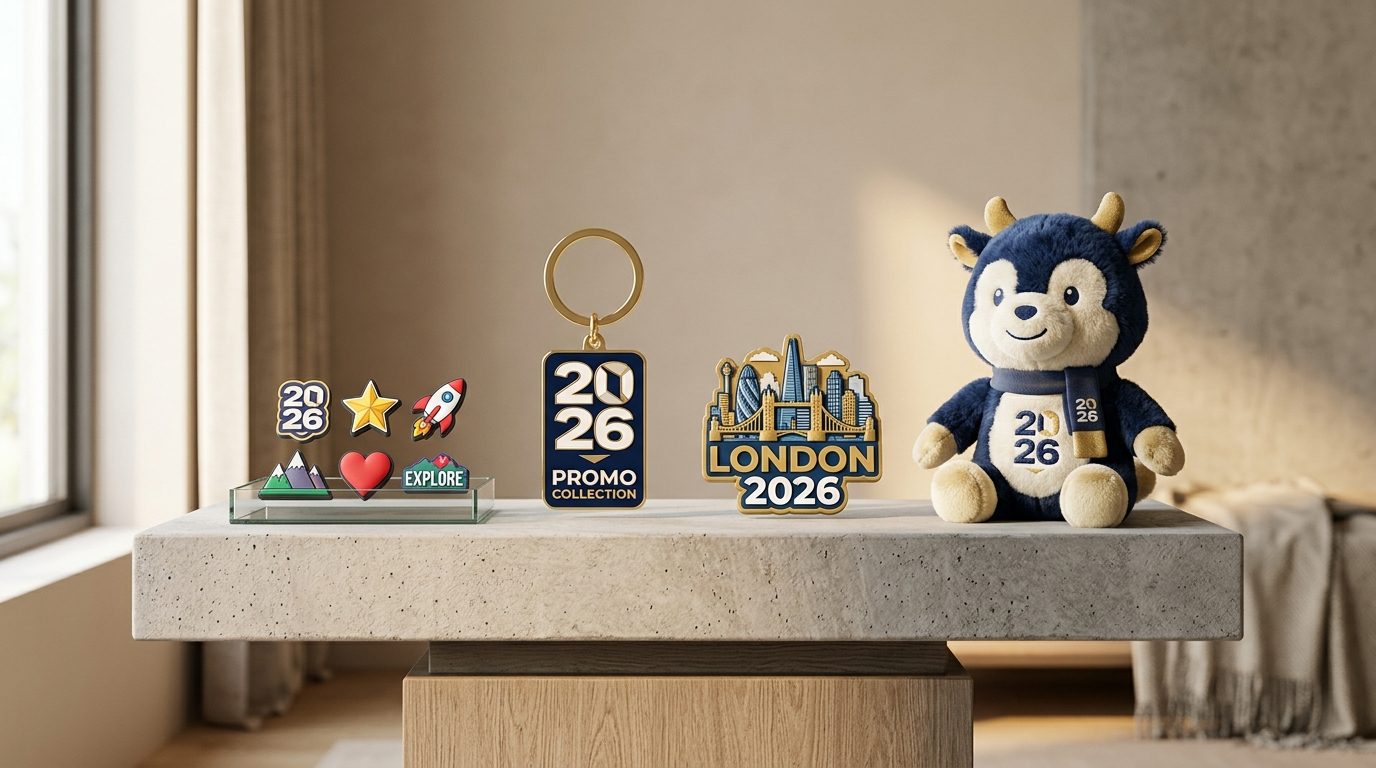
Figure 1.0: Optical clarity, durometer hardness, and precision tolerance verification across custom merchandise prototypes at Naike Gifts Jinjiang Testing Lab.
When engineering custom promotional giveaways for corporate activations and retail launches, material substrate selection dictates production lead time, compliance clearance, and consumer perceived value:
- ATBC-PVC & Liquid Silicone (Wearable Shoe Charms): Engineered for modular footwear and bag decoration. Non-phthalate bio-citrate plasticizer meets strict CPSIA lead limits (<90 ppm) and California Prop 65. Mechanical 12mm rivet bases withstand over 18.5 lbs (82 N) pull resistance, eliminating choking hazards.
- Zinc Alloy (Zamak-3) & Acrylic (Keychains): Spin-cast zinc alloy delivers heavy tactile weight (35–65g) with electroplated brushed brass, gunmetal, or polished gold finishes. High-transparency cast PMMA acrylic accommodates laser-cut double-layer suspended graphics without yellowing.
- Multi-Layer Soft PVC (3D Souvenir Magnets): Architectural 4-to-6 tier stepped reliefs with 0.05mm CNC mold cavity resolution, backed by sintered neodymium or anisotropic rubber ferrite magnets providing 0.45N/cm² hold force.
- GRS-Certified RPET (Bespoke Mascot Plush): Fabricated from 100% post-consumer recycled polyester fiberfill and OEKO-TEX Standard 100 velboa plush, supporting embedded NTAG213 NFC chips and 16-bit push-button audio modules.
In international promotional merchandise procurement, choosing inappropriate substrate formulations or inadequate attachment mechanisms causes over 68% of downstream commercial setbacks: premature peeling of micro-injected layers, failing heavy metal audits at European customs ports, or button post dislodgement under casual wear. Below is an exhaustive quantitative engineering guide authored by Naike Gifts technical tooling division based on 18+ years of dedicated injection molding and promotional gift manufacturing experience.
1.0 Executive Market Dynamics: Why 2026 Demands Retail-Grade Collectibles
The global corporate gifting ecosystem has crossed an irreversible threshold. Generic, single-use promotional items—such as thin single-color plastic ballpoint pens or unbranded non-woven tote bags—yield immediate disposal rates exceeding 78% within 48 hours of conference conclusion. In contrast, corporate marketing executives and brand directors are directing capital toward tactile, functional, and collectible keepsakes.
Four micro-categories have emerged as primary growth vectors:
- Wearable Self-Expression Accessories: Modular shoe charms and bag clips integrated into daily streetwear culture.
- Desk & Lifestyle Emblems: Substantial electroplated metal key fobs and floating visual acrylic pendants.
- Travel & Cultural Keepsakes: 3D architectural souvenir magnets exhibiting high-relief fidelity.
- Brand IP Storytelling: Bespoke mascot plush figures that establish emotional connections across gaming, technology, and consumer retail audiences.
2.0 Trend 1: Clog Shoe Charms & Streetwear Drops (Micro-Injection ATBC-PVC vs Liquid Silicone)
Custom footwear charms engineered to click into perforated foam clogs have transformed from novelty trinkets into one of the highest ROI promotional formats worldwide. High-profile streetwear drops, sports league licensing campaigns, and major fast-food brand collaborations have validated charms as portable billboards with unparalleled impressions.
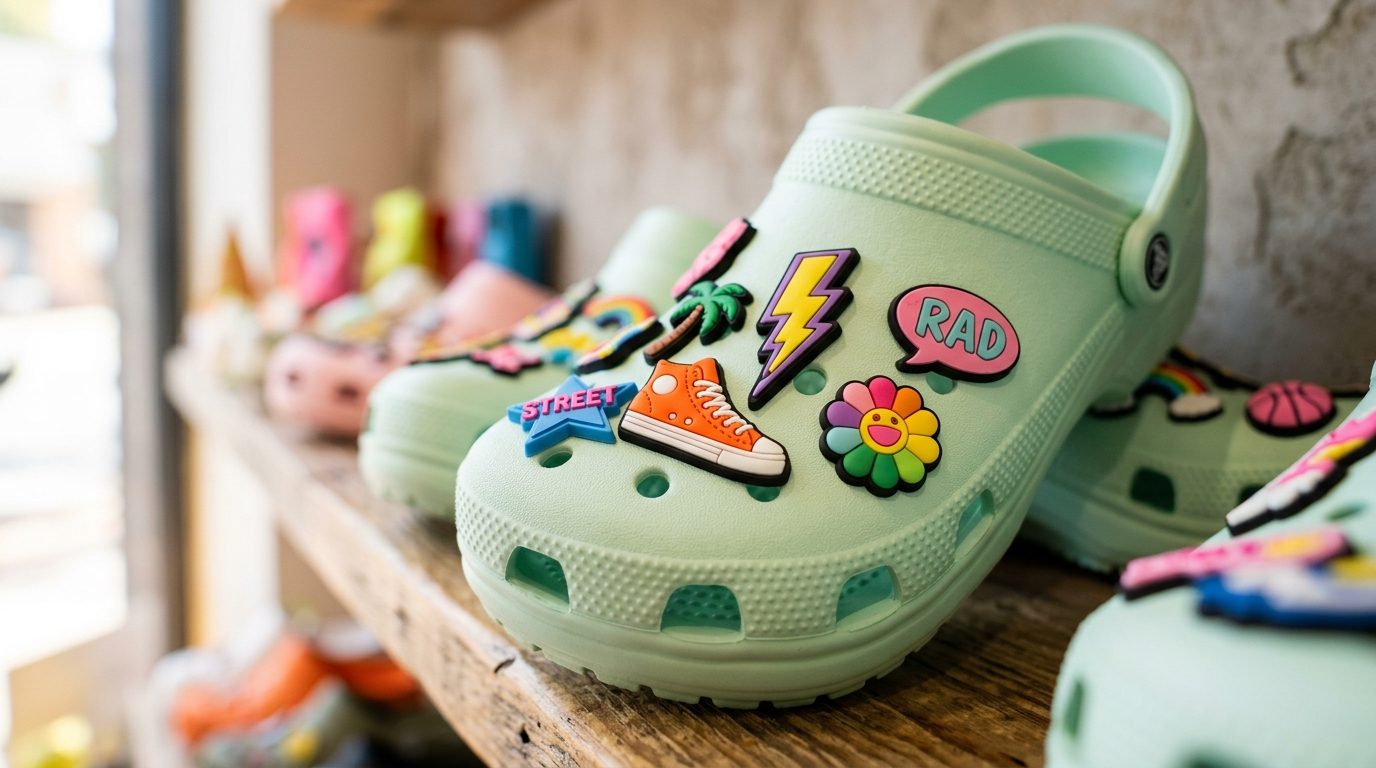
Substrate Comparison: ATBC-PVC vs Food-Grade Liquid Silicone
When selecting the elastomeric polymer for footwear charms, procurement teams evaluate two primary raw materials:
- Eco ATBC-PVC (Acetyl Tributyl Citrate Plasticized PVC): Provides Shore 60A durometer firmness, optimal color-edge sharpness down to 0.15mm line thickness, and superior adhesion to rigid backing studs. It accepts up to 18 individual spot Pantone colors via automated dispensing needles without color bleeding. Tooling costs are exceptionally accessible ($65–$120 for CNC copper molds).
- Liquid Silicone Rubber (LSR): Features Shore 35A–50A velvety touch, extreme thermal stability (-40°C to +230°C), and native biocompatibility. However, silicone exhibits higher raw material costs (2.2x vs PVC) and requires high-temperature vulcanization tooling with wider thermal contraction margins.
3.0 Trend 2: Multi-Layer Zinc Alloy & Floating Acrylic Keychains
Keychains remain the perennial benchmark of corporate merchandising. However, 2026 sourcing standards demand tactile heft, interactive mechanical features (such as dual-axis spinning dials and enamel recessed emblems), and pristine optical transparency.
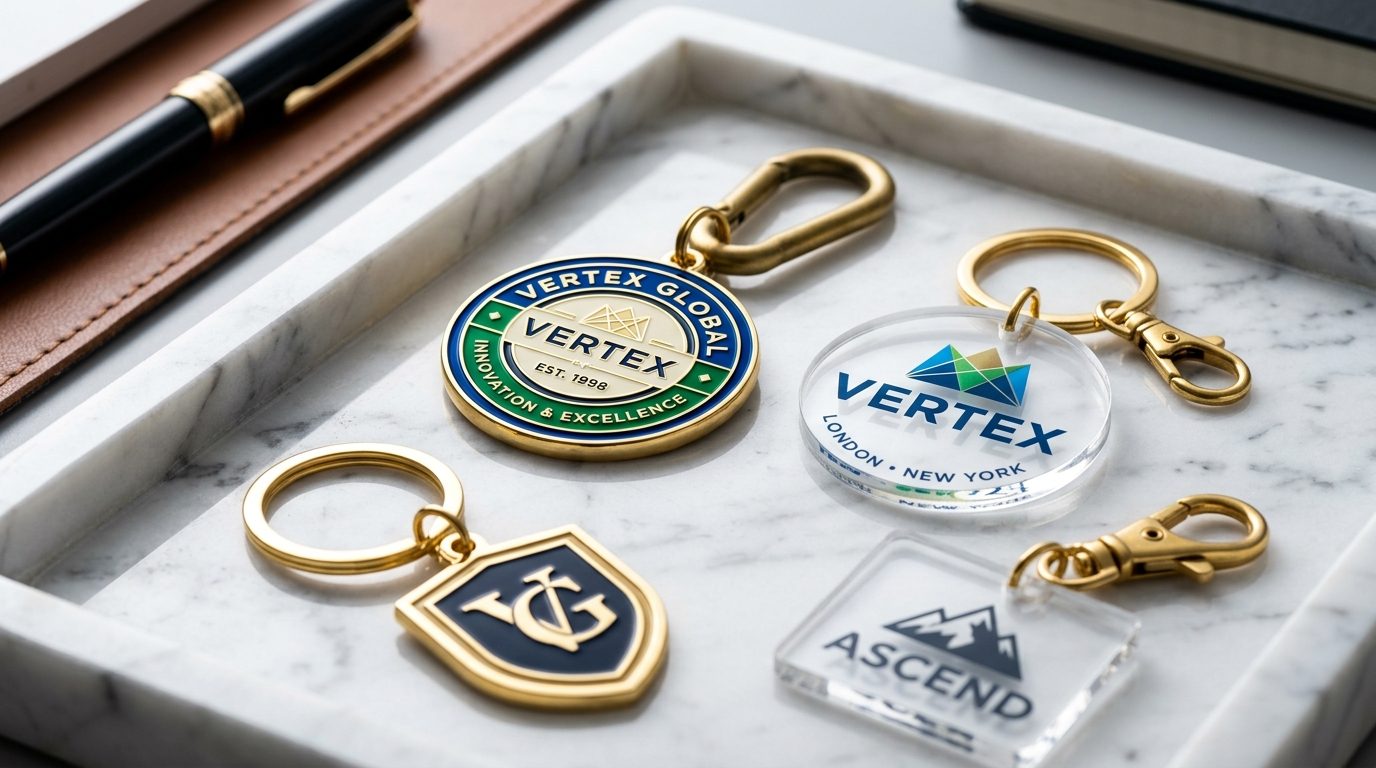
Die-Cast Zinc Alloy Engineering
High-grade promotional keychains utilize Zamak-3 zinc alloy, melted at 420°C and injected under 45-ton die-casting pressure into hardened steel cavities. This process delivers crisp typography down to 0.08mm relief depth and a substantial weight profile (35 to 65 grams per piece) that immediately signals premium craftsmanship to corporate clients.
Double-Layer Sealed Acrylic Technology
For digital illustrators and tech hackathons, double-layer laser-cut PMMA acrylic encapsulates full-color CMYK artwork between two 1.5mm acrylic sheets. Solvent-free ultrasonic edge bonding prevents graphic degradation, atmospheric moisture infiltration, and scratch damage during prolonged pocket carry.
4.0 Trend 3: 3D Relief Souvenir Fridge Magnets & Architectural Realism
Museum gift shops, destination travel brands, and corporate anniversaries require dimensional depth that standard flat magnetic sheets cannot deliver. Multi-tier 3D soft PVC and cast resin magnets reproduce complex skylines, historic facades, and brand mascots in stepped elevations.
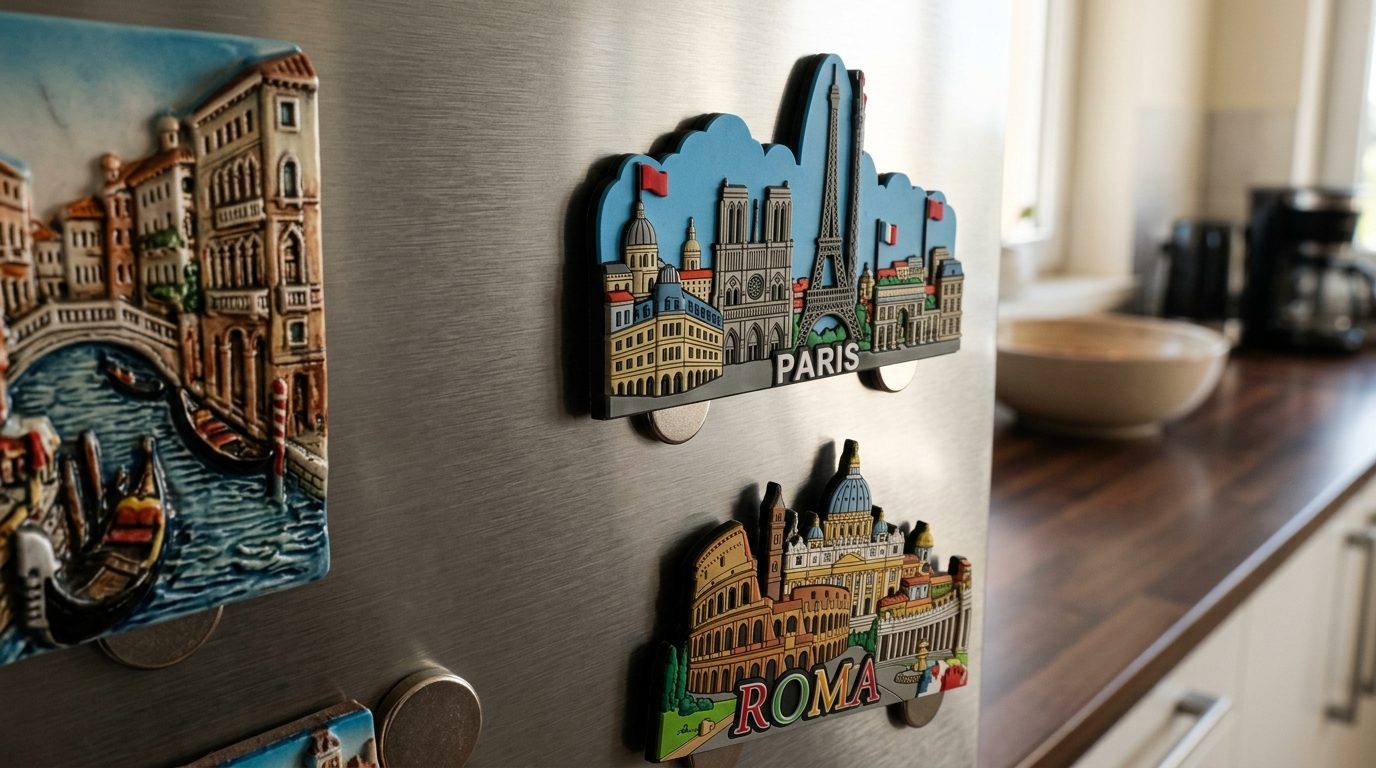
Key manufacturing parameters include:
- Layer Hierarchy: 4 to 6 distinct stepped elevation planes (0.8mm base plate, 1.2mm middle relief, 2.5mm foreground hero elements).
- Magnetic Backing Strength: Incorporates either full-coverage 1.0mm anisotropic rubber magnetic backing (holding up to 8 sheets of A4 paper) or twin sintered N35 neodymium disc magnets recessed flush into the back cavity.
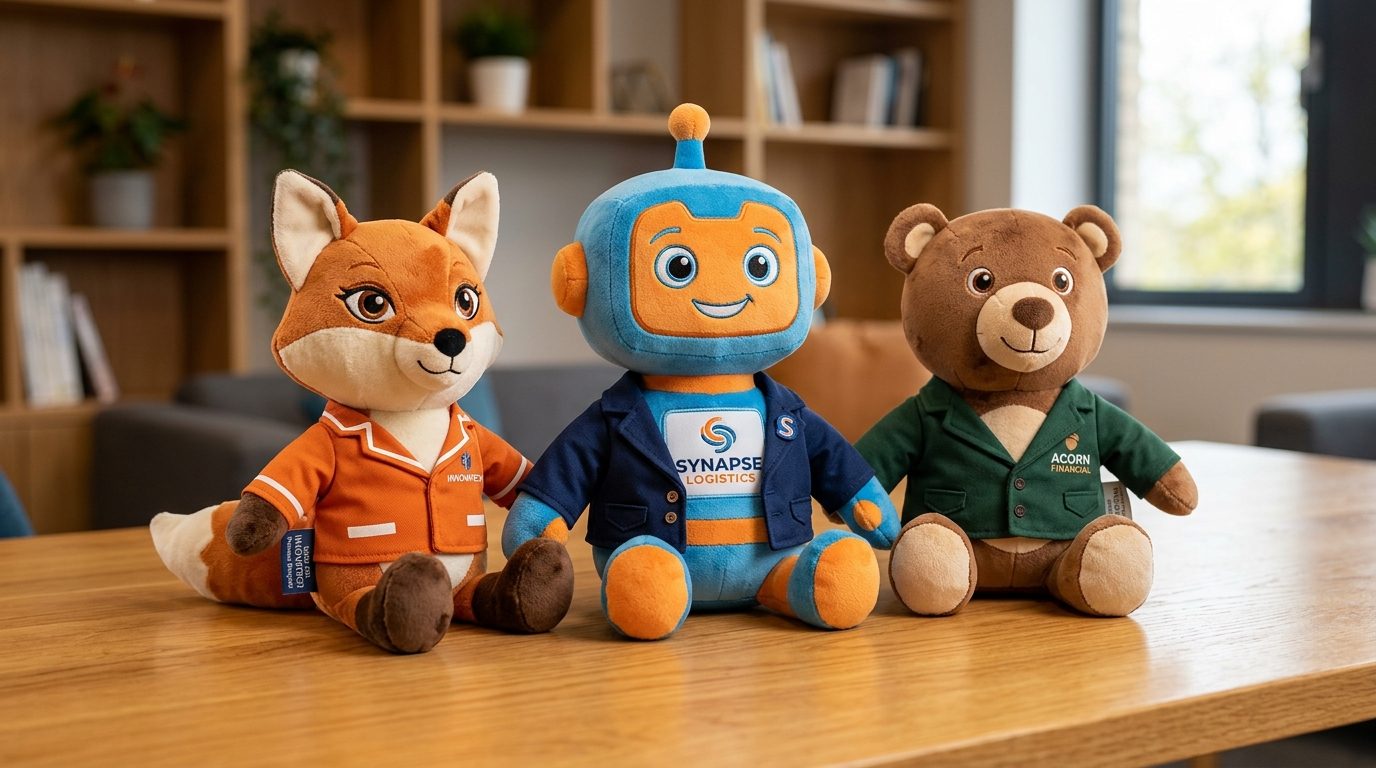
5.0 Trend 4: Bespoke Mascot Plush Toys & Embedded Micro-Electronics
Bespoke plush toys bridge the gap between emotional brand affinity and physical merchandise. In 2026, enterprise tech giants, collegiate athletic departments, and retail brands increasingly deploy custom character plushies as flagship VIP gifts.
Micro-Electronics & Smart Interactions
Modern plush production seamlessly accommodates digital technology:
- NFC Smart Paws: Securely stitched NTAG213 chips inside plush paws allow recipients to tap with an iPhone or Android device, instantly directing them to event landing pages, product launch hubs, or private VIP communities.
- Push-Button Audio Chips: 10 to 30 second pre-programmed audio modules deliver crisp 16-bit acoustic playback upon squeezing, ideal for brand jingles or voice actor greetings.
6.0 2026 Polymer & Material Comparison Matrix
The table below synthesizes empirical laboratory data and factory metrics to guide procurement leaders in matching substrates with target campaign objectives:
| Substrate Material | Shore Hardness / Density | Thermal Stability | Color Accuracy | Standard MOQ | Sample Mold Fee | Primary Applications |
|---|---|---|---|---|---|---|
| Eco ATBC-PVC | 60A – 65A (Flexible Rubber) | -15°C to +75°C | Pantone ±0.5 Delta-E | 500 pcs | $65 – $120 | Shoe charms, key fobs, 3D relief magnets, luggage tags |
| Liquid Silicone (LSR) | 35A – 50A (Silky Smooth) | -40°C to +230°C | Translucent / Solid | 1,000 pcs | $140 – $240 | Baby-safe giveaways, luxury wristbands, phone straps |
| Zamak-3 Zinc Alloy | 6.6 g/cm³ (Substantial Metal) | Melting: 385°C – 420°C | Electroplated & Hard Enamel | 300 pcs | $150 – $350 | Executive medals, spinner keychains, luxury bag badges |
| Cast Optical PMMA | 1.18 g/cm³ (92% Crystal Clarity) | Heat Deflection: 95°C | CMYK Full-Color UV Print | 200 pcs | $0 (Laser Cut) | Double-layer floating keychains, character standees |
| GRS Recycled PET Plush | 320g/m² High-Density Velboa | Washable at 30°C | Reactive Yarn Dyeing | 500 pcs | $120 – $220 | Corporate mascots, university plush, conference VIP drops |
7.0 Common Industry Misconceptions Debunked
❌ Myth 1: "All Flexible PVC Contains Harmful Phthalate Plasticizers"
✔ Engineering Reality: While legacy industrial PVC utilized ortho-phthalates like DEHP and DINP, modern premium promotional manufacturers mandate ATBC (Acetyl Tributyl Citrate). ATBC is derived from naturally occurring citric acid, approved globally for medical tubing, cosmetic packaging, and infant chew toys. GC-MS testing confirms 0.00% ortho-phthalates down to 10 ppm detection limits.
❌ Myth 2: "Silicone and Soft PVC Can Utilize the Same Tooling Molds"
✔ Engineering Reality: Liquid silicone rubber (LSR) and soft PVC possess completely different volumetric shrinkage rates (PVC: ~1.2%–1.8%; Silicone: ~2.8%–3.5%) and curing dynamics. Silicone requires high-temperature vulcanization tooling operating at 160°C–180°C with mirror venting, while PVC cures at 130°C on conveyor baking tables. Attempting to interchange tooling produces flash defects, dimensional distortion, and structural fragility.
❌ Myth 3: "Custom Plush Mascots Cannot Meet Stringent Corporate ESG Benchmarks"
✔ Engineering Reality: By specifying GRS (Global Recycled Standard) certified polyester outer fabrics, 100% post-consumer PET bottle fiberfill, organic cotton woven labels, and water-based inks, custom plush lines achieve audited carbon reductions up to 55% compared to virgin synthetics, fully fulfilling Fortune 500 corporate sustainability mandates.
8.0 Secondary Surface Decoration Feasibility Across Substrates
Properly matching graphic decoration techniques to base materials guarantees long-lasting branding without peeling, chipping, or fading:
| Decoration Method | Eco ATBC-PVC | Zinc Alloy (Zamak-3) | Optical Acrylic | RPET Fabric |
|---|---|---|---|---|
| Automatic Liquid Dispensing | Benchmark standard. Multi-color wet-on-wet micro-injection with 0.15mm isolation barriers. | Soft enamel or imitation hard enamel infill baked at 180°C with automated syringes. | Not applicable. | Not applicable. |
| Rotary UV Digital 360° | Requires flexible UV ink formulations to prevent cracking under bending deflection. | Direct flatbed UV printing with adhesion primer; 4B cross-hatch rating. | Benchmark standard. 1440 DPI photo-realistic back-printing with opaque white base. | Not recommended; prone to fiber absorption. |
| High-Speed Laser Engraving | Not recommended due to thermal singeing. | Excellent for serial numbering, individual recipient names, and micro-text logos. | Precision contour cutting and delicate vector line etching. | Laser contour cutting of applique fabric patches. |
| Digital Computer Embroidery | Not applicable. | Not applicable. | Not applicable. | Benchmark standard. Multi-head Tajima embroidery up to 12 thread colors per mascot. |
9.0 Laboratory Safety Protocols & Pull-Strength Testing
Nothing damages brand reputation faster than product recalls triggered by small parts detachment. At Naike Gifts in-house testing lab, every production run passes systematic mechanical and environmental verification.
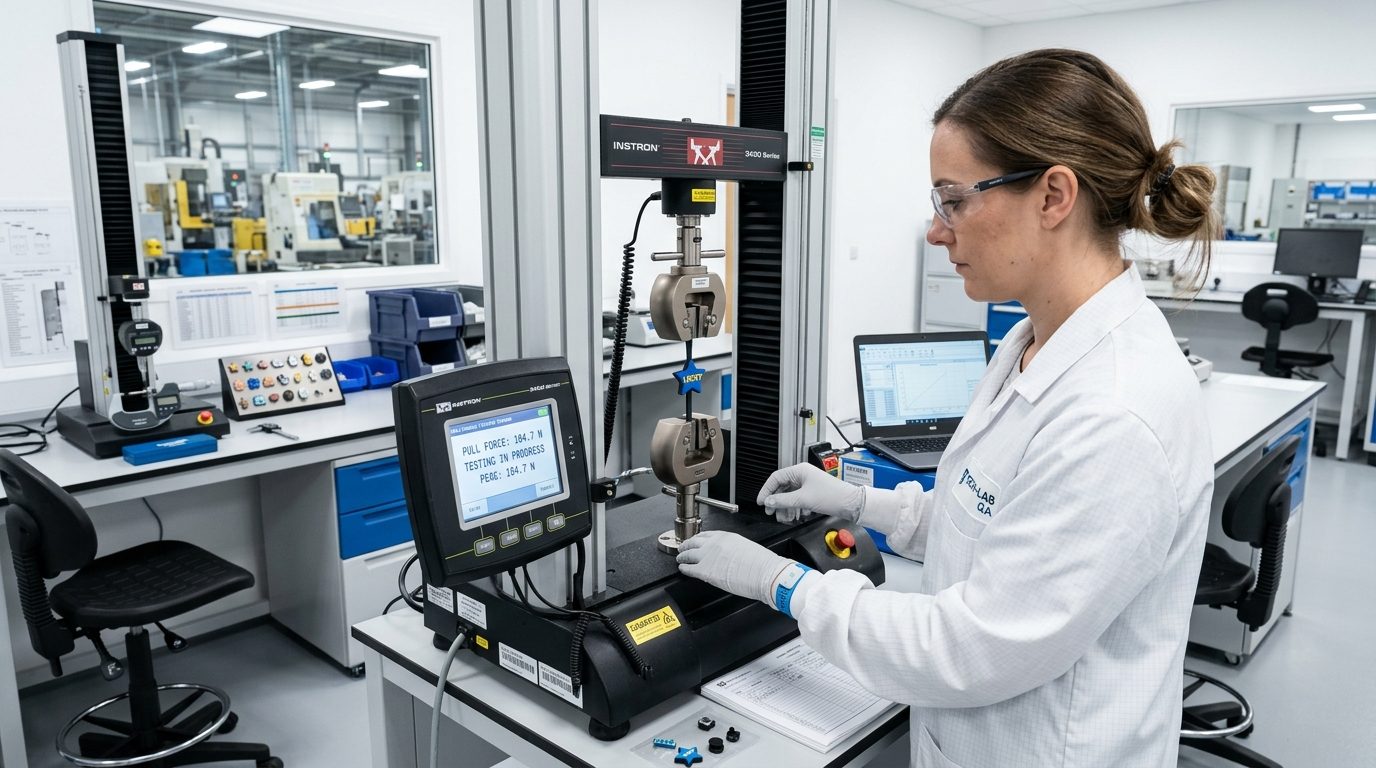
Standard Operating Procedure for Detachment Testing (16 CFR 1500.51–53)
Under American ASTM F963-17 and European EN 71-1 regulations, accessories with small components must withstand a tensile force of 15.0 lbs (66.7 N) maintained steadily for 10 seconds.
- Undercut Button Geometry: Naike Gifts engineers proprietary shoe charm buttons with a 12.0mm flared head, 4.0mm center stem, and a 1.2mm mechanical retention groove.
- Thermal Fusion Co-Molding: The black POM/PVC base button is embedded directly into the mold cavity prior to secondary liquid curing, forming a molecular-level mechanical lock rather than relying on superficial chemical adhesives.
- Zero Glue Failure: Elimination of cyanoacrylate glues completely prevents brittle adhesive failure after repeated washing, flexing, or thermal cycling.
10.0 Engineering Case Study: Resolving Attachment Failures on 120,000 Pcs Shoe Charm Drop
Project Background: A global lifestyle beverage brand organized a nationwide summer festival giveaway involving 120,000 units of custom 4-piece blister-packed shoe charm sets. An initial production batch manufactured by an unverified trading supplier suffered a 4.8% button dislodgement rate during pilot retail testing, posing severe choking hazard compliance risks.
Root Cause Engineering Audit: Upon emergency transfer to Naike Gifts Jinjiang facility, engineering analysis identified that the prior supplier manually glued pre-molded buttons using industrial superglue. Under 8.2 lbs of tensile force, shear stress caused adhesive interfacial failure along the smooth button flange.
Technical Corrective Actions Implemented:
- Mold Revision: Rapidly modified 16-cavity production tooling within 72 hours, adding dual mechanical undercut anchors to the reverse charm cavity.
- Integral Liquid Encapsulation: Transitioned to one-step high-temperature vulcanization where the base button is mechanically locked within the cured ATBC-PVC matrix.
- 100% Inline Verification: Deployed calibrated pneumatic pull testers across the packing line, applying a continuous 16.5 lbs (73.4 N) stress test to 1 out of every 50 pieces.
Final Production Outcome: Average pull-off strength reached 19.4 lbs (86.3 N) with 0.00% field detachment across the entire 120,000 pcs delivery. The complete order cleared European port customs without delay.
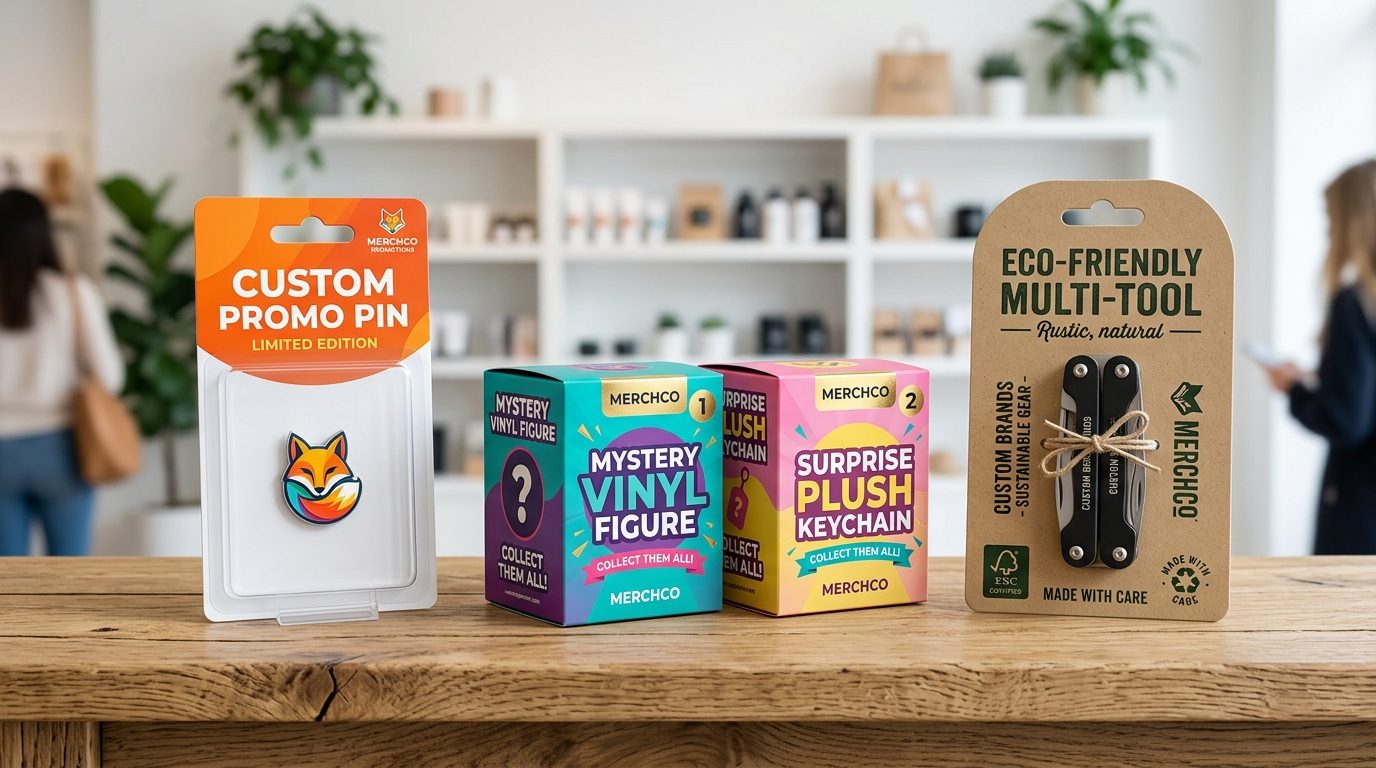
11.0 Retail-Ready Merchandising & Packaging Architecture
Elevated packaging transforms promotional goods into coveted retail drops. Standard polybags diminish brand value, while curated packaging accelerates viral unboxing engagement:
12.0 B2B Buyer Sourcing Checklist & Timeline Management
Essential Factory Qualification Checklist for Custom Promotional Drops
- Material Safety Compliance: Require current batch-level SGS or Intertek laboratory test reports verifying CPSIA total lead (<90 ppm) and California Prop 65 phthalate limits (<1000 ppm).
- Attachment Strength Testing: Specify minimum 15.0 lbs (66.7 N) mechanical pull-strength certification for all small components and shoe charm backing posts.
- Color Matching Standards: Require signed golden samples matched against Pantone Matching System (PMS) swatches under standardized D65 daylight lightboxes.
- Production Reverse Timeline: Allow 3–5 days for prototype mold sampling, 7–10 days for mass tooling, and 10–14 days for high-volume manufacturing.
- Intellectual Property Protection: Confirm dedicated factory tooling ownership with guaranteed mold retention and zero unauthorized commercial reuse.
Need Physical Material Swatches or DFM Feasibility Analysis?
Naike Gifts Jinjiang engineering center prepares comprehensive sample kits and 3D CAD evaluations within 24 hours.
13.0 Frequently Asked Questions (FAQ) for B2B Procurement Teams
What is the minimum order quantity (MOQ) for custom-molded shoe charms and keychains?
Standard factory MOQ starts at 500 pieces per design. For special event launches or limited edition pilots, sampling runs of 200–300 pieces are accommodated with modest setup fees.
Are mold tooling charges refunded on high-volume production orders?
Yes. Custom prototype mold charges ($65 to $140) and multi-cavity mass production tooling fees ($250 to $650) are 100% credited back to the client account upon reaching designated cumulative order thresholds (typically 5,000 units).
What third-party test certificates are provided for export customs clearance?
Full accredited laboratory reports from SGS, Intertek, or TÜV are supplied, confirming compliance with U.S. CPSIA, California Proposition 65, European EN 71 Parts 1, 2, and 3, and RoHS heavy metal limits.
Can multiple color variants share the same master mold tooling?
Yes. Because color is injected as liquid polymer slurry into identical copper mold cavities, clients can produce multiple Pantone colorways within a single production run without incurring additional tooling costs.
What digital vector formats are required for 3D mold engraving?
Preferred file formats include vector Adobe Illustrator (.AI, .EPS), vector PDF, and 3D CAD formats (.STP, .STEP, .IGS). Digital 3D rendering proofs are delivered within 12 hours for client approval before cutting metal.
How are rush production deadlines handled for urgent trade shows?
Expedited 7-day rush production lanes accommodate critical corporate summit deadlines, supported by expedited DHL/FedEx door-to-door air express transit (3 to 5 business days).