
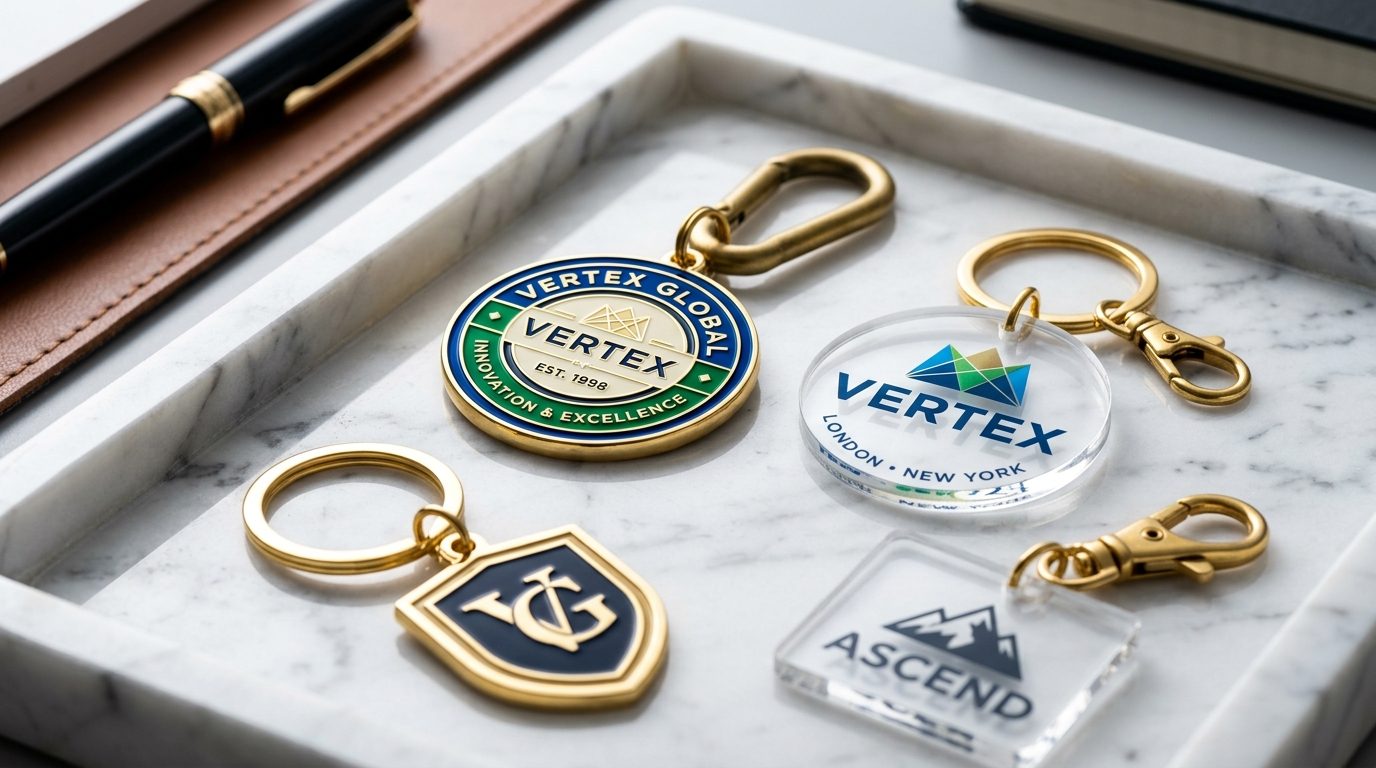
Figure 1.0: Physical inspection of electroplated zinc alloy and optical acrylic samples at Naike Gifts Jinjiang facility.
- Eco ATBC-PVC: Shore 60A durometer, razor-sharp 0.15mm color edges, non-phthalate plasticizer meeting CPSIA lead limits (<90 ppm). Accessible mold tooling from $65 to $120.
- Liquid Silicone (LSR): Silky Shore 35A touch, superior thermal stability (-40°C to +230°C), native food-grade biocompatibility. Tooling from $140 to $240.
- Cast Optical Acrylic: 92% light transmittance, laser cut zero-tooling setup ($0 mold fee), 1440 DPI back-printed photographic graphics encapsulated between dual sheets.
- Zamak-3 Zinc Alloy: Heavy tactile heft (35-65g), mirror polished or antique electroplating, recessed soft and imitation hard enamel fills.
Selecting the optimal substrate dictates not only the final product tactile feel and aesthetic clarity, but also whether promotional items survive consumer wear without cracking, fading, or triggering compliance disputes during customs clearance.
1.0 Shore Hardness & Elastic Flexibility
Durometer hardness is the fundamental mechanical metric governing tactile perception. ATBC-PVC operates at Shore 60A–65A, offering structured resilience that withstands pocket friction without deformation. In contrast, liquid silicone rubber (LSR) exhibits Shore 35A–45A, delivering an ultra-pliable, silky texture ideal for wristbands, teething items, and phone grips.
2.0 Color Boundary Sharpness & Pantone Matching
When engineering multi-colored brand logos, surface tension of liquid slurries determines pigment separation. ATBC-PVC relies on micro-grooved CNC copper molds with 0.2mm isolation ridges, allowing up to 18 distinct Pantone PMS shades to be dispensed wet-on-wet without bleed. Cast acrylic utilizes direct industrial UV flatbed printing with high-opacity white base coats, achieving 1440 DPI photorealistic gradients.
3.0 Mechanical Tear & Tensile Strength
Under repeated bending, standard polymers develop white stress lines or micro-tears. Naike Gifts employs bio-citrate plasticized PVC achieving elongation-at-break exceeding 320%, ensuring keychains, luggage tags, and badges flex naturally without tearing or delaminating.
4.0 Tooling Economics & Per-Unit Amortization
Unlike metal die-casting which requires $1,500+ hardened steel molds, soft PVC sample copper molds cost $65–$120, while mass multi-cavity tooling runs $250–$450. Over a standard run of 5,000 units, mold tooling adds less than $0.05 per unit, and is fully refunded on qualifying repeat orders.
Comparative Polymer & Substrate Engineering Matrix
| Material Substrate | Shore Hardness | Heat Tolerance | Color Accuracy | Standard MOQ | Sample Tooling | Best Application |
|---|---|---|---|---|---|---|
| Eco ATBC-PVC | 60A – 65A | -15°C to +75°C | Pantone ±0.5 ΔE | 500 pcs | $65 – $120 | Shoe charms, key fobs, 3D magnets |
| Liquid Silicone | 35A – 50A | -40°C to +230°C | Solid & Translucent | 1,000 pcs | $140 – $240 | Wristbands, baby-safe items |
| Cast PMMA Acrylic | High Rigidity | Up to 95°C | CMYK 1440 DPI | 200 pcs | $0 (Laser Cut) | Floating keychains, standees |
| Zamak-3 Zinc Alloy | Solid Metal | Melting: 420°C | Plating & Enamel | 300 pcs | $150 – $350 | Medals, spinner key fobs |
Common Industry Misconceptions Debunked
❌ Myth 1: 'Silicone is always superior to soft PVC'
✔ Engineering Reality: While silicone offers extreme heat tolerance, ATBC-PVC allows far sharper color boundary resolution (0.15mm vs 0.4mm in silicone) and significantly lower tooling costs for complex multi-color designs.
❌ Myth 2: 'Clear acrylic scratches immediately in pockets'
✔ Engineering Reality: Naike Gifts applies optical-grade hard-coating (2H surface pencil hardness) to cast PMMA, preventing hairline scratches and yellowing under daily UV exposure.
Engineering Case Study & Production Outcome
Project Background: A financial institution required 40,000 custom executive key fobs combining metal weight with vibrant colorful brand icons within 20 days.
Root Cause Engineering Audit: Initial concepts utilizing all-metal hard enamel were quoted at 35 days tooling lead time, exceeding client summit deadlines.
Technical Corrective Actions Implemented:
- Hybrid Construction: Engineered a pre-tooled zinc alloy brushed bezel that mechanically locks a 2D ATBC-PVC high-precision relief medallion inside.
- Accelerated Tooling: Cut prototype copper molds in 48 hours and verified golden sample PMS color matching under D65 daylight.
- Batch Automation: Ran automated 12-needle micro-dispensers producing 3,500 units per shift.
Final Production Outcome: Delivered all 40,000 key fobs in 17 days with 0.00% defect rate and full EN71-3 compliance signoff.
B2B Sourcing Checklist for Material Selection
- Verify required durometer flexibility against intended product usage (wearable vs rigid desk display).
- Ensure vector artwork lines meet minimum 0.15mm relief thresholds for copper mold cutting.
- Mandate non-phthalate ATBC resin compounding for consumer-facing and children's giveaways.
- Confirm sample mold turnaround does not exceed 3 to 5 business days.
Need Physical Samples or Tooling DFM Feasibility Analysis?
Naike Gifts engineering facility provides physical sample packs and factory evaluations within 24 hours.
Frequently Asked Questions (FAQ)
What is the lead time for physical material samples?
Physical prototype samples are produced in 3 to 5 business days, followed by 3-day DHL express delivery.
Can Pantone metallic shades be matched in soft PVC?
Yes, metallic gold, silver, and pearlescent pigment slurries are formulated to match specific Pantone Metallics swatches.